

From Search to Suggestion:Why LLMs Are Rewriting Product Discovery and Brand Visibility
How 30 Days of LLM Data Reveals a Structural Shift in Consumer Decision‑Making
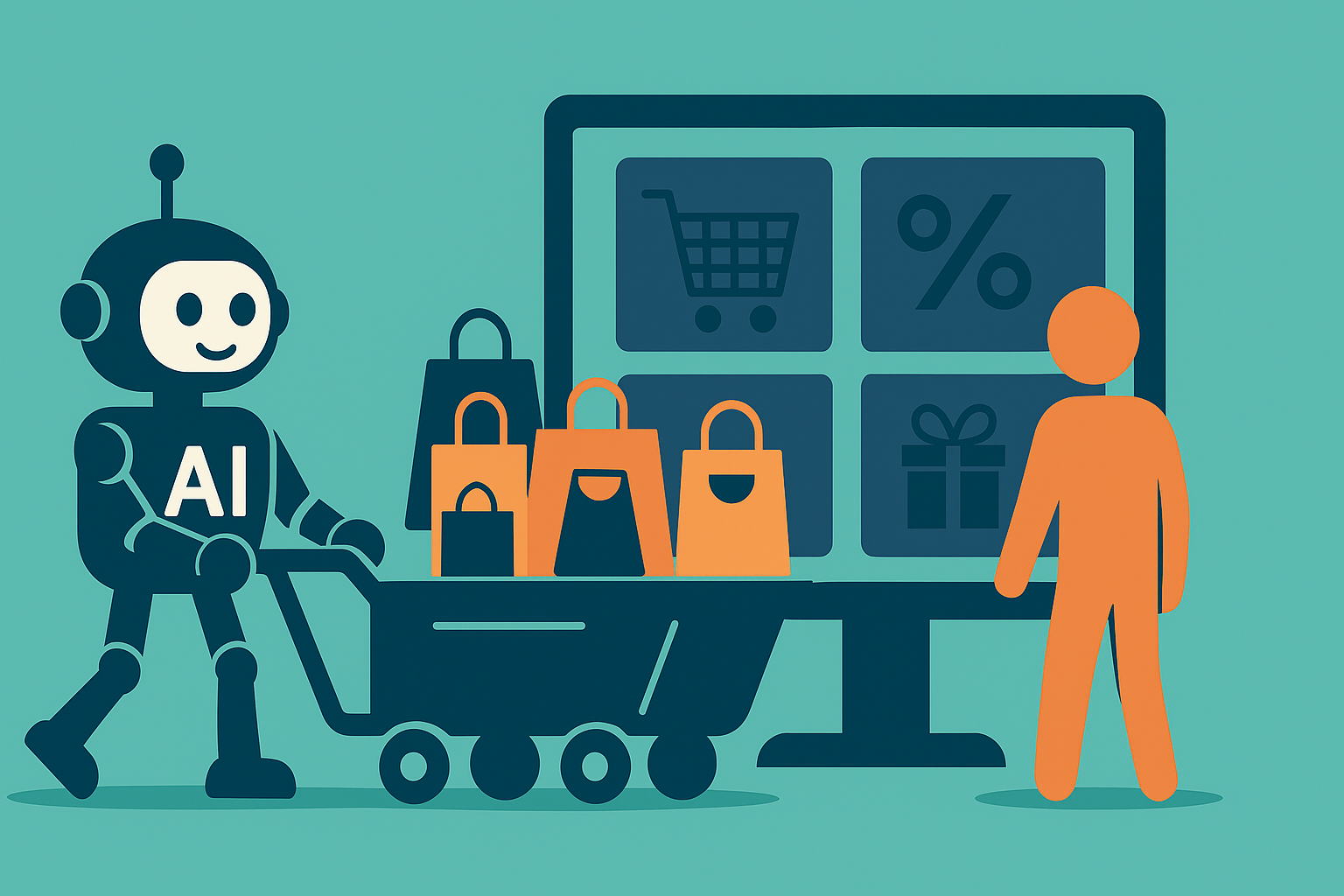
Generative AI is no longer a novelty, it is becoming the primary layer of product discovery. This season alone, AI‑assisted purchase behavior grew by 805%, signaling a seismic shift in how consumers evaluate options, compare features, and choose brands.
But the real story isn’t that people are “using AI to shop.”
It’s how AI is shaping their decisions – and how that differs from traditional digital channels.
After analyzing 30 days of LLM responses across top models (GPT‑4, Claude, Llama 4, Gemini, Perplexity), one pattern is unmistakable:
LLMs think in PRODUCTS. Marketers think in BRANDS.
And this mismatch is rewriting the rules of visibility, preference, and influence in the digital marketplace.
A First Look at How AI Sees Your Category
To understand this shift, we tracked three repeated prompts across leading LLMs:
- Best skate shoes for beginners in 2025
- Top rated skate shoes for durability and comfort
- Top skate shoes for streetwear style

These represent three different consumer intents:
- Entry-level / informational
- Feature-driven / functional
- Style-driven / identity
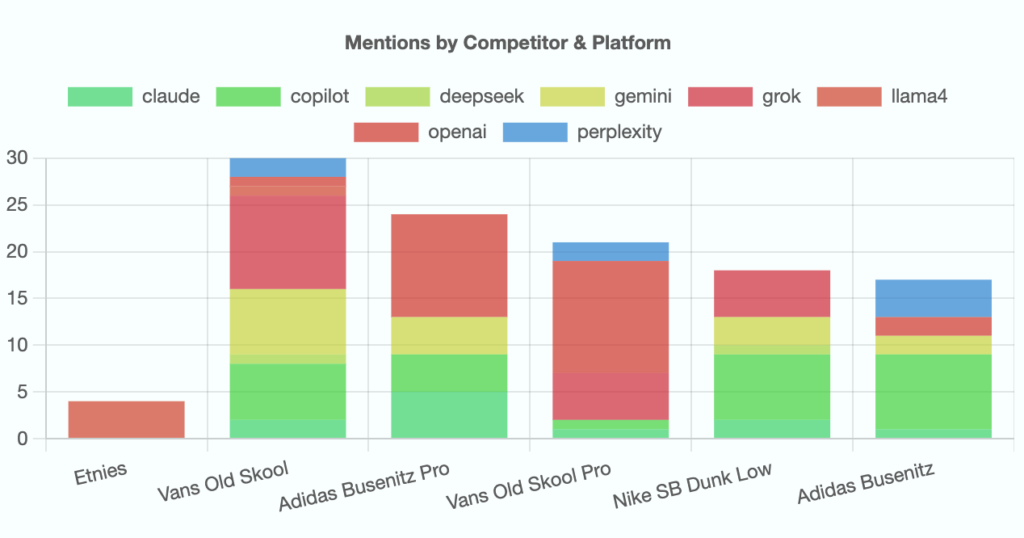
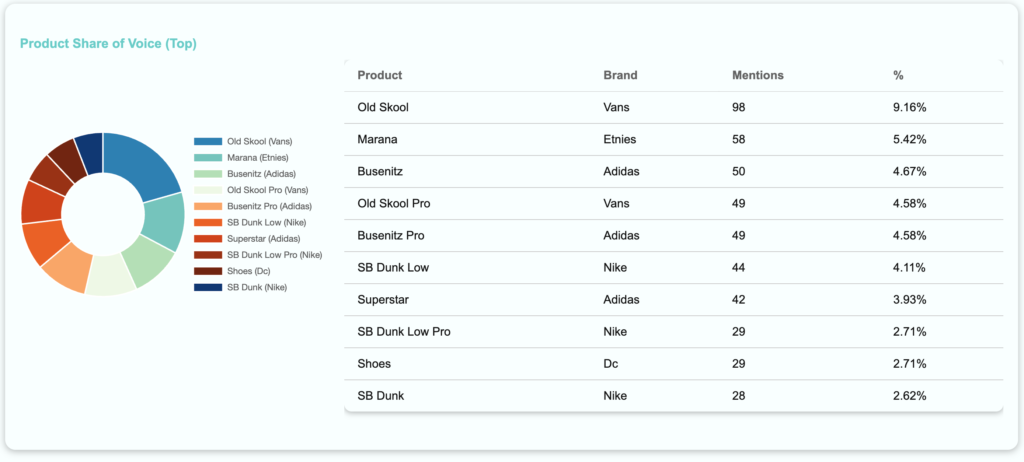
Across all three, the models overwhelmingly returned product names first, brands second.
Top Product Mentions Across LLMs (Past 30 Days)
| Product | Brand | Mentions |
|---|---|---|
| Old Skool | Vans | 98 |
| Marana | Etnies | 58 |
| Busenitz | Adidas | 50 |
| SB Dunk Low | Nike | 44 |
| Superstar | Adidas | 42 |
This alone is striking.
These product names represent:
- Decades-old legacy silhouettes
- Niche high-performance shoes
- Trend-driven cultural favorites
- Highly reviewed skateboarding staples
But what’s missing?
Brand equity. Brand narrative. Brand preference.
All of the “hard-earned” brand identity work that happens across digital, retail, and media ecosystems.
LLMs, unlike search engines, are not indexing brand pages. They are synthesizing human knowledge — often favoring iconic products, high-review items, or culturally resonant shoes.
This is where the shift begins.
Brand Visibility vs Brand Presence: The New AI KPI Divide
Your app’s LLM Brand Tracker gives us a uniquely clear picture of what’s happening under the hood.
Here is the 30‑day snapshot of brand performance:
| Brand | Presence | Δ Presence | Visibility | Δ Visibility | #1 Counts | Top Model |
|---|---|---|---|---|---|---|
| Vans | 66.7% | +32.7% | 65.4% | -0.97% | 5 | Llama4 |
| Etnies | 34.0% | +0.8% | 66.4% | +2.9% | 3 | Perplexity |
| Nike | 66.7% | +32.7% | 3.3% | -63.0% | 2 | Llama4 |
| Adidas | 66.7% | +32.7% | 3.6% | -62.7% | 2 | Llama4 |
Presence = total mentions
Visibility = ranked, top‑answer placement
This distinction is critical.
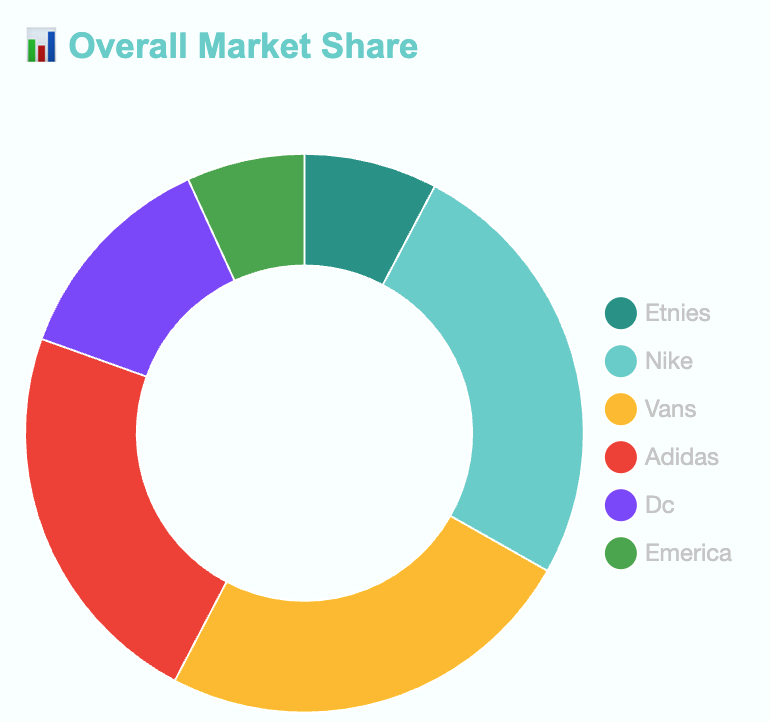
Nike and Adidas are mentioned often — but rarely recommended.
A brand can have massive cultural and market presence but fail to appear in the “top 3” of an LLM answer.
Etnies, by contrast, does exceptionally well in visibility thanks to a single high-performing product: the Marana.
This is the crux of the LLM vs Search discovery shift:
In search, brands win because they own the domain authority.
In AI, products win because they own the story.
Why LLMs Recommend Products, Not Brands
Through our analysis, three forces emerged:
1. LLMs compress the world into a “best fit” answer, not a list of blue links.
Search returns 10 options.
AI returns a decision.
This makes the product the atomic unit of recommendation.

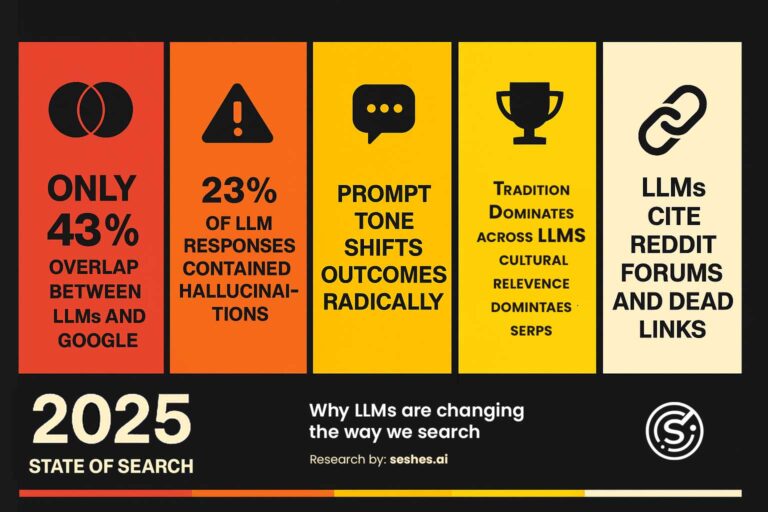
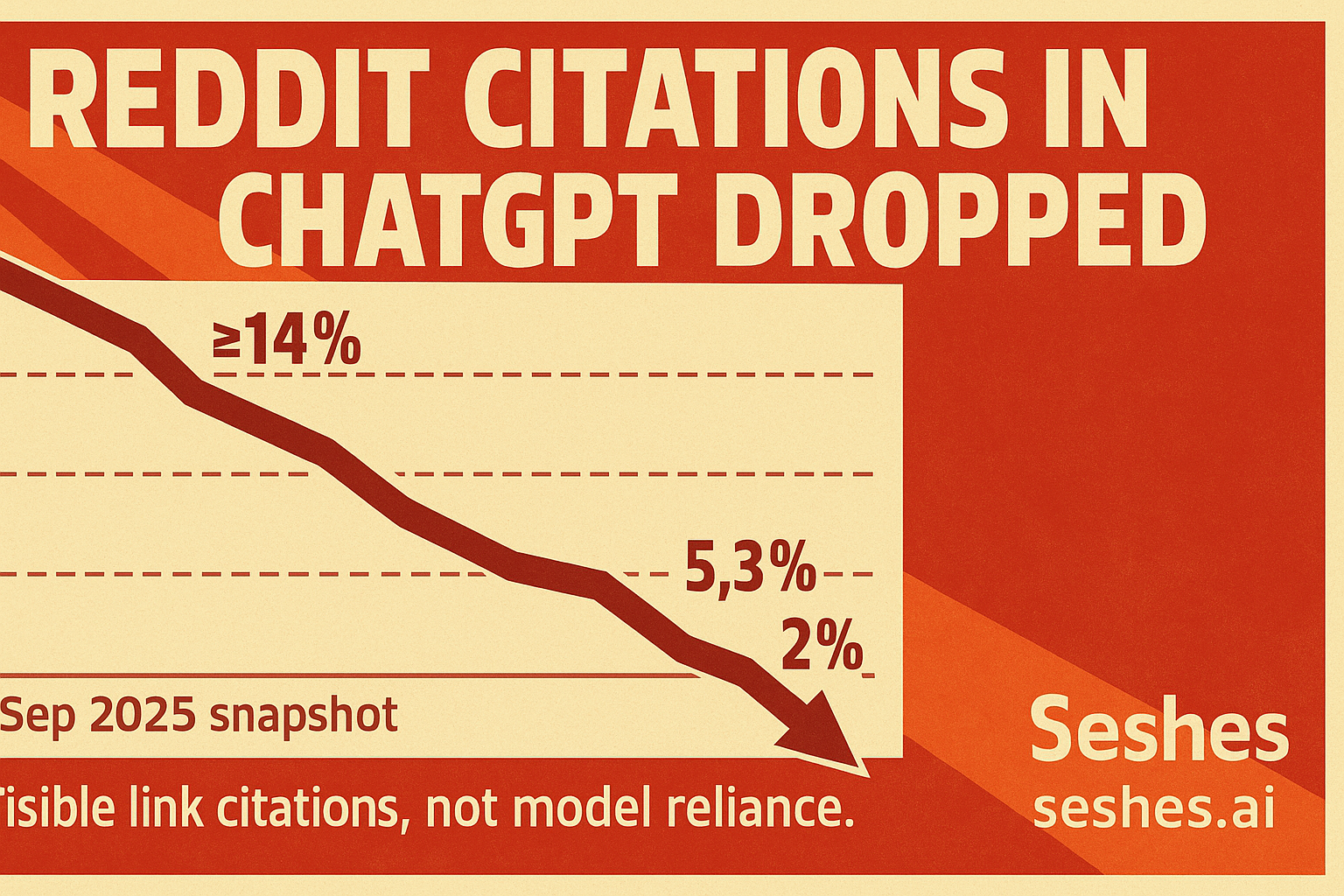
2. LLM training data pulls heavily from reviews, forums, YouTube, wikis, subreddits, and skate culture discussions.
These sources aren’t brand-controlled.
They’re community-controlled.
This leads to:
- Old Skools outperforming modern Vans tech models
- Busenitz shoes outshining newer Adidas releases
- SB Dunk Low surfacing for style over performance
- Etnies Marana dominating durability conversations due to Michelin outsole lore
Your brand story is only as strong as the community narrative around your products.
3. Different LLMs show different biases — and these biases materially affect brand strategy.
Examples from your dataset:
- Perplexity LOVES Etnies Marana, ranking it #1 across durability queries.
- Llama 4 is broadly bullish on Vans, giving it top placement most frequently.
- Claude tends to elevate SB Dunks because it leans into cultural relevance.
- GPT‑4 is the most “balanced,” but still prefers legacy classics.
This means:
Your AI visibility strategy cannot optimize for one model.
You must optimize for all of them.
CMO Insight: AI Discovery Is Becoming “Model-Based Market Share”
Just as brands once fought for:
- Search rankings
- Retail shelf space
- Marketplace category placement
They must now fight for:
LLM suggestion share.
Recommendation presence.
Answer relevance.
And soon:
AI-driven conversions.
This is where the future moves beyond SEO and into LLM SEO, Conversational Commerce, and AI-Assisted Buying Journeys.
What Directors and CMOs Should Take Away Immediately
Here are five actionable insights pulled directly from the data:
1. Your product pages matter more than your brand pages.
LLMs elevate individual products — not brand categories.
Brands must optimize long‑tail descriptions, performance attributes, and cultural storytelling.
2. Your best product becomes your entire brand inside an LLM.
For Etnies, that’s the Marana.
For Vans, the Old Skool.
For Nike, the SB Dunk Low.
What is your hero product?
3. Visibility gaps represent massive revenue opportunities.
Nike + Adidas have high presence but catastrophic visibility.
That means consumers hear about them but aren’t recommended them.
This is a reclaimable advantage.
4. Model-level analytics matter.
Just as companies segment by channel (Google vs Amazon vs retail),
they must now segment by GPT vs Claude vs Perplexity vs Llama.
You’ve already built the tooling — now leadership can act on it.
5. AI-driven discovery is already influencing purchase behavior
+805% isn’t a trend.
It’s a restructuring of the consumer journey.
Brands must shift from:
- Competing for search visibility
to - Competing for Search recommendation share
before competitors do.
Closing: The Era of AI Discovery Has Arrived
Consumers are no longer browsing.
They’re asking.
And the systems they ask – the LLMs – are becoming the first point of influence, the first recommendation engine, and often the first conversion touchpoint.
This dataset shows an unmistakable pattern:
**AI favors products over brands.
Narratives over names.
Utility over identity.**
The brands that adapt to this shift today will own AI-driven commerce tomorrow.
More Data on LLM Search Visibility:
One Comment